Working out whether you qualify for the NDIS comes down to a handful of core requirements, so here’s the shortcut version.
- Age and residency matter first. You generally need to be under 65, and an Australian citizen or hold a Permanent or Protected Special Category Visa.
- Diagnosis alone isn’t the deciding factor. The NDIA looks at how significantly your disability affects your everyday functioning, not just what condition you have.
- There’s more than one pathway in. Alongside the standard disability requirements, there’s a separate early intervention pathway, particularly relevant for young children.
- Uncertainty is common, and that’s okay. Many people aren’t sure if they qualify before applying, and that uncertainty shouldn’t stop you from checking properly.
“Would I even qualify?” It’s one of the most common questions people ask before they’ve gone anywhere near an application form, and it’s a genuinely reasonable one. The NDIS doesn’t work off a simple checklist of approved conditions, which can make it hard to know where you stand without digging into the detail.
This guide breaks down NDIS eligibility in plain terms, covering the age, residency, and disability requirements, how the early intervention pathway works, and what actually counts as strong enough evidence. By the end, you should have a much clearer sense of whether it’s worth applying, and what to expect if you do.

What Are the Basic NDIS Eligibility Requirements?
To be eligible for the NDIS, you generally need to meet requirements across three core areas: age, residency, and disability.
For age, you typically need to be under 65 at the time you first apply. If you’re already a participant and turn 65 while on the scheme, different rules apply around whether you stay on the NDIS or move into aged care, so it’s worth checking your specific situation with the NDIA.
For residency, you generally need to be one of the following:
- An Australian citizen
- A Permanent Visa holder
- A Protected Special Category Visa holder
You’ll also usually need to be living in Australia at the time you apply.
The disability requirement is where most of the detail sits, and it’s covered in the next section, because it’s rarely as simple as “having a diagnosed condition.” The NDIA is really assessing the impact of that condition on your daily life, which is a different question to whether you’ve been formally diagnosed at all.
Because these criteria can be updated over time, it’s worth confirming the current requirements directly with the NDIS before you rely on them for a decision.
How Does the NDIA Decide If a Disability Qualifies?
This is where a lot of the confusion sits, because the NDIS doesn’t work from a fixed list of approved diagnoses. Instead, the NDIA assesses whether your disability is permanent, or likely to be permanent, and whether it significantly reduces your ability to manage everyday activities.
Those everyday activities generally include things like:
- Communication
- Social interaction
- Learning
- Mobility
- Self-care
- Self-management
If your disability substantially affects your ability to manage one or more of these areas, and you’re likely to need support now and into the future, you may meet the disability requirements. This is why two people with the same diagnosis can have quite different outcomes, because eligibility comes down to functional impact, not the name of the condition itself.
Some conditions are recognised as being very likely to meet these requirements without extensive additional assessment, since they’re well understood to cause permanent impairment. Even then, some evidence of how the condition affects you personally is generally still expected. If you’re unsure whether your specific condition is likely to qualify, it’s genuinely worth speaking with the NDIS directly or a planner before assuming either way.
What If You Don’t Have a Formal Diagnosis Yet?
You don’t necessarily need a confirmed diagnosis to explore NDIS eligibility, particularly if you’re applying under the early intervention pathway.
This pathway exists for situations where:
- There’s an identified impairment or developmental delay likely to be permanent
- Early support would likely reduce future support needs, or improve independence and functioning
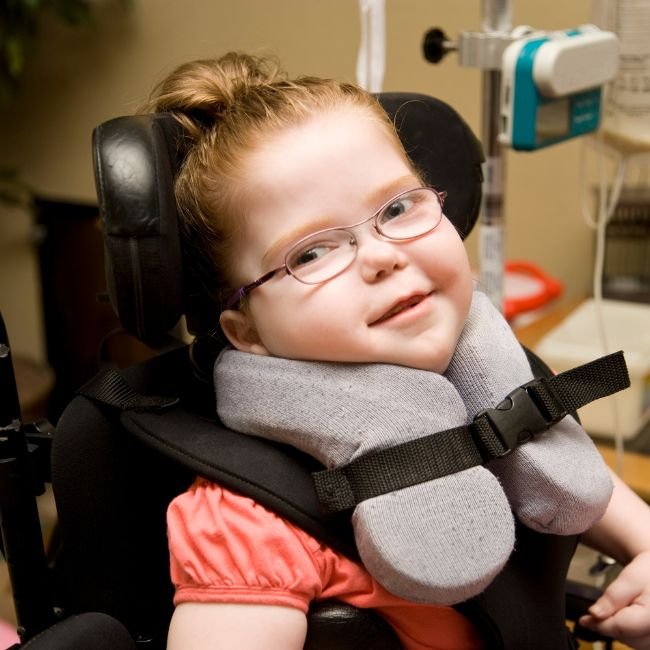
This is especially relevant for young children, where developmental concerns are noticed well before a formal diagnosis is confirmed. Waiting for a definitive diagnosis before applying can sometimes mean missing out on support during a period where early intervention could make a genuine difference.
For older children, teenagers, or adults with a recently acquired condition, similar principles can apply if there’s a reasonable basis to expect that early, targeted support will improve long-term outcomes. It’s not a blanket rule that removes the need for any evidence at all, but it does mean a firm diagnosis isn’t always the starting point people assume it is.
If this situation sounds like yours, it’s worth raising the early intervention pathway specifically when you speak with the NDIA, rather than assuming you need to wait.
Why Does Evidence Matter So Much for Eligibility?
Evidence is really the whole ballgame when it comes to NDIS eligibility. The NDIA can only assess what’s actually documented, which means a report that simply names a condition often isn’t enough on its own.
Strong evidence generally describes:
- The diagnosis or impairment itself
- How long it’s been present, and whether it’s expected to be permanent
- Specific ways it affects daily functioning, such as difficulty with mobility, communication, or self-care
- Any supports already being used, such as therapies or equipment
Reports from GPs, specialists, psychologists, occupational therapists, or other treating professionals all carry weight, particularly when they speak specifically to functional impact rather than just clinical facts. A one-line letter confirming a diagnosis rarely does the job on its own.
This is often the part of the process people underestimate. Gathering genuinely detailed evidence upfront, rather than submitting the bare minimum and hoping it’s enough, tends to make a real difference to how smoothly an eligibility decision goes.
Who Should You Talk to If You’re Unsure About Eligibility?
If you’re still not sure where you stand, there are a few people worth talking to before you either give up on applying or submit an application that’s missing key information.
A Local Area Coordinator (LAC) can talk through your situation and help you understand whether the NDIS is likely to be the right pathway, or whether other supports might be more appropriate. Your GP or treating specialists can also advise on what evidence would genuinely reflect your situation, since they know your circumstances directly.
Support Coordinators and disability advocacy services can be useful too, particularly if you’ve already been knocked back once and aren’t sure why. They often have a good sense of what additional evidence or clarification might strengthen a case.
None of this guarantees an outcome either way, but it does mean you’re going into the process with a clearer, more realistic picture, rather than guessing.
Use this checklist to assess your likely NDIS eligibility before applying:
- Confirm you’re under 65 and meet the residency requirements
- Identify whether your condition is permanent, or likely to be permanent
- List the specific everyday activities affected (communication, mobility, self-care, etc.)
- Gather evidence that describes functional impact, not just diagnosis
- Check whether the early intervention pathway might apply to your situation
- Speak with your GP or specialist about strengthening your evidence
- Contact a Local Area Coordinator if you’re still unsure
- Confirm current eligibility rules directly with the NDIS before applying
“I need a specific diagnosis on an approved list.” The NDIS doesn’t work from a fixed list of qualifying conditions. What matters is how significantly your disability affects your daily functioning, which is assessed individually rather than by diagnosis alone.
“If my condition fluctuates, I won’t qualify.” Conditions that vary day to day, such as some mental health conditions or chronic illnesses, can still meet the requirements if the underlying impairment is permanent. Evidence describing the condition across different periods can help demonstrate this.
“I should wait until things get worse before applying.” Waiting can mean missing out on the early intervention pathway, particularly for children. Support that starts earlier is generally intended to reduce the need for more significant support later.
What is NDIS eligibility based on?
NDIS eligibility is based on age, residency status, and whether you have a permanent or likely permanent disability that significantly affects your everyday functioning. It’s not based on a fixed list of approved diagnoses.
How does the NDIA assess disability requirements?
The NDIA looks at whether your condition affects areas like communication, mobility, self-care, learning, and social interaction, and whether you’re likely to need support now and in the future. Evidence from treating professionals plays a central role in this assessment.
Can I apply for the NDIS without a diagnosis?
In some situations, yes, particularly through the early intervention pathway for children with developmental delay. For most other applications, evidence describing your condition and its impact is generally expected.
Do I need to see a specialist to prove eligibility?
Not necessarily, though reports from specialists, GPs, or allied health professionals who understand your condition well tend to provide the strongest evidence. It’s worth checking with the NDIS or a planner about what evidence is expected for your specific situation.
How much does it cost to check my NDIS eligibility?
Checking your eligibility and applying through the NDIA doesn’t cost anything itself. Some medical assessments or reports may involve a cost, depending on your existing healthcare arrangements.
What happens if I don’t meet the eligibility requirements?
If you don’t meet the requirements, you may still be able to access support through state-based services, aged care, or mainstream health and community programs, depending on your circumstances. You can also request a review if you believe the decision was incorrect.
Who can help me understand if I’m eligible?
A Local Area Coordinator, Support Coordinator, disability advocacy service, or your treating doctor can all help you understand your likely eligibility before you apply. It’s worth having this conversation early rather than guessing on your own.
I’ve lost count of the number of families who told me they assumed they wouldn’t qualify, simply because their condition didn’t sound “serious enough” or didn’t appear on a list somewhere. Eligibility genuinely comes down to how a condition affects daily life, not how it’s labelled, and I’ve seen that misunderstanding stop people from even trying.
A few things worth remembering:
- Functional impact matters more than diagnosis
- Fluctuating conditions can still qualify
- The early intervention pathway doesn’t always require a firm diagnosis
- Strong, detailed evidence makes a genuine difference
- Uncertainty is normal, and worth checking properly rather than assuming
- A knockback isn’t necessarily the final word
- Current rules should always be confirmed directly with the NDIS
NDIS eligibility isn’t about ticking a box next to a diagnosis; it’s about how your disability genuinely affects your everyday life. If you’re unsure where you stand, it’s worth having that conversation properly rather than assuming either way.
NDIS Provider Group has helped Sydney families navigate exactly this kind of uncertainty since 2013. If you’d like an honest conversation about your situation before you apply, our team is happy to help you think it through.